

You vacuum; you dust; and you replace your air filters. Yet someone in your home still wakes up congested, sneezing, or rubbing itchy eyes.
If that sounds familiar, your carpet may be part of the problem.
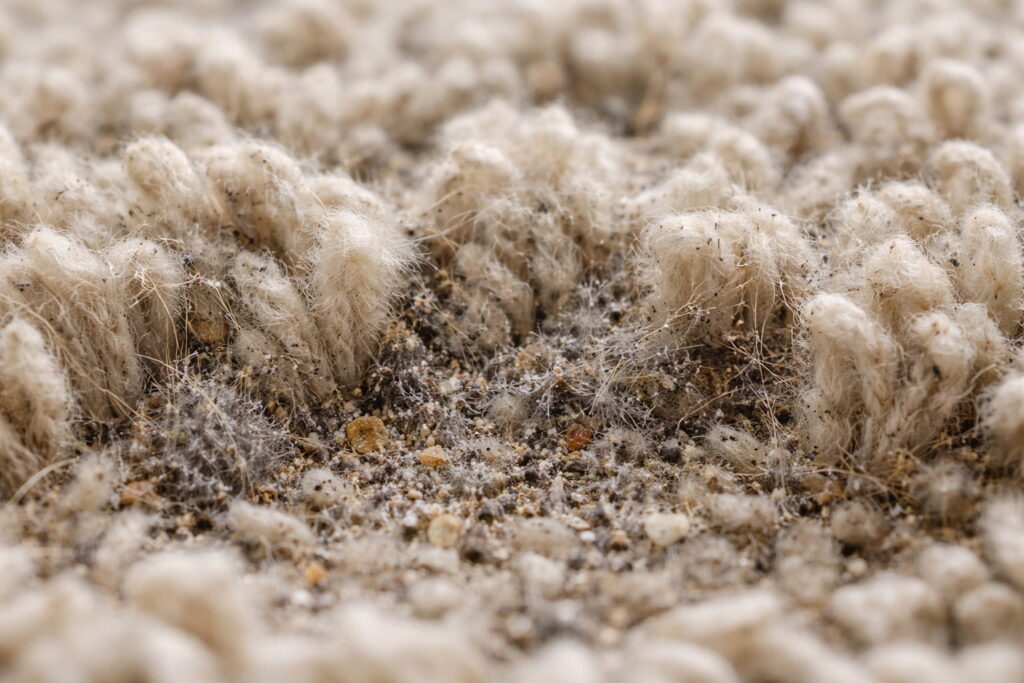
In Austin, allergy season does not come and go quietly. Cedar pollen, oak, mold spores, and dust circulate for much of the year. When those particles settle into carpet fibers, they do not simply disappear. They build up. Over time, that buildup can trigger allergy symptoms, especially for children, asthma sufferers, and sensitive adults.
The good news is this: carpet cleaning for allergies works—when it is done correctly.
Let’s break down what actually helps and what does not.
Key Takeaways
- Carpet traps allergens — and releases them with movement — Dust mites, pollen, pet dander, and mold spores build up in fibers over time. Walking across the room can push those particles back into the air, triggering symptoms.
- Vacuuming helps, but deep cleaning removes embedded allergens — Use a HEPA-filter vacuum weekly, but schedule hot water extraction (steam cleaning) every 6–12 months to reduce dust mites and trapped dander below the surface.
- Moisture control is critical in Austin homes — Keep indoor humidity below 50% to limit dust mite growth and prevent mold after cleaning. Proper extraction and fast drying make steam cleaning safe.
- Watch for symptom patterns — Morning congestion, itchy eyes in carpeted rooms, and relief when away from home suggest carpet may be contributing to allergy flare-ups.
- Maintenance beats removal — Most allergy sufferers do not need to remove carpet entirely. Consistent HEPA vacuuming, shoe removal, spill control, and periodic professional cleaning significantly reduce indoor allergen load.
How Carpet Can Trigger Allergy Symptoms
Carpet acts like a filter. It traps dust, pollen, pet dander, and soil instead of allowing those particles to float freely in the air. That can be helpful at first. The problem begins when those allergens accumulate faster than they are removed.
Dust Mites in Carpet
Dust mites thrive in warm, humid environments. Austin homes provide both. These microscopic organisms live deep inside carpet fibers and feed on dead skin cells. The real issue is not the mites themselves—it is their waste particles, which trigger allergic reactions.
If humidity stays high and carpet is not deep cleaned regularly, dust mites multiply quickly.
Other Allergens Trapped in Carpet
Carpets can also hold:
- Pollen tracked in from outdoors
- Pet dander
- Mold spores
- Bacteria
- Fine soil particles
According to guidance on indoor allergens from the CDC, dust mites, mold, and pet dander are common triggers inside homes. When these particles collect in carpet, walking across the room can push them back into the air.
Carpet Allergy or Just a Dirty Carpet?
Some homeowners ask whether their symptoms come from carpet or something else.
Common signs carpet may be contributing:
- Symptoms worsen in carpeted rooms
- Symptoms improve when away from home
- Morning congestion after sleeping near carpet
- Itchy skin after sitting on the floor
If you are unsure, it helps to understand the difference between a true carpet allergy and simple buildup. We explain this in more detail in Carpet Allergy or Dirty Carpet, which covers how maintenance affects symptoms.
Does Carpet Cleaning Remove Allergens?
Yes—but only if it reaches deep enough.
What Vacuuming Can Do
Regular vacuuming removes surface dirt and loose particles. For allergy control, a vacuum with a HEPA filter is critical. HEPA filters trap fine particles and prevent them from blowing back into the air.
However, vacuuming alone does not remove deeply embedded dust mites in carpet. Those particles cling tightly to fibers.
Why Deep Cleaning Matters
Deep carpet cleaning lifts allergens from below the surface. It reduces the overall allergen load in your home and helps improve indoor air quality.
If allergy symptoms are persistent, deep cleaning is often necessary.
The Most Effective Carpet Cleaning Methods for Allergies
Not all cleaning methods produce the same results. Some only improve appearance. Others address allergen removal.
1. Hot Water Extraction (Steam Cleaning)
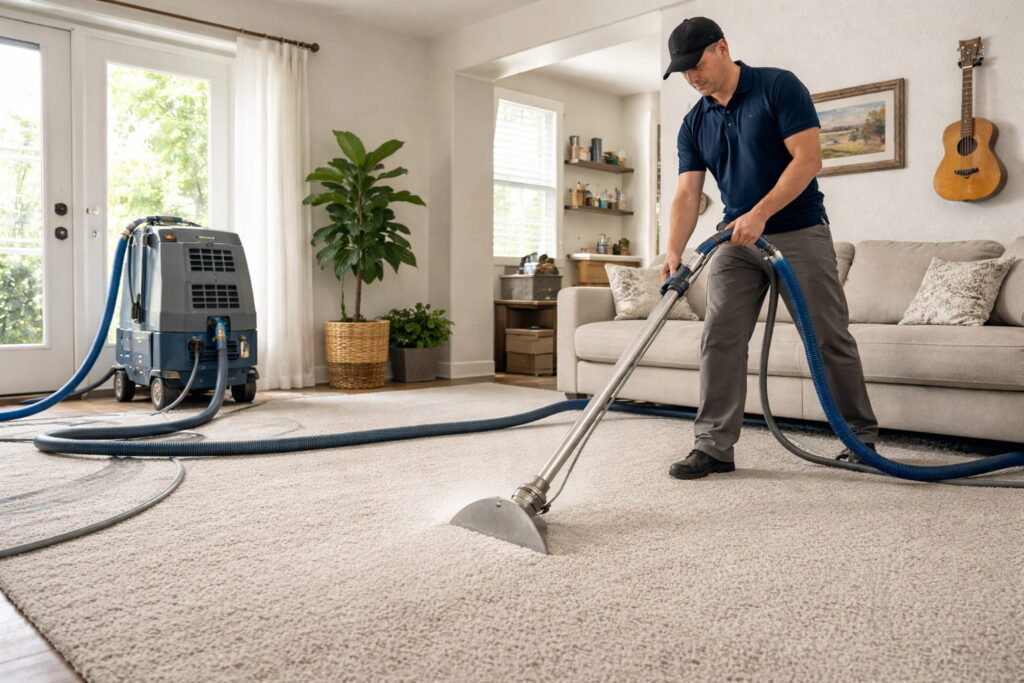
Hot water extraction is widely considered the most effective method for allergy carpet cleaning.
This process:
- Injects hot water and cleaning solution into carpet fibers
- Loosens dirt, dust mites, and dander
- Extracts debris with strong suction
The heat helps break down allergen particles. Proper extraction removes both moisture and contaminants.
When performed correctly, this method significantly reduces dust mites in carpet.
2. Allergy-Specific Cleaning Formulas
Some carpet cleaning products are formulated to neutralize allergens. Enzyme-based or anti-allergen formulas can help break down organic particles like dander and dust mite waste.
The key is residue control. If cleaning leaves detergent behind, it can attract more dirt and worsen buildup over time.
Professional-grade, pH-balanced solutions reduce that risk.
3. Dry Cleaning Powders
Dry carpet cleaning powders are marketed as low-moisture options. They can reduce surface allergens when vacuumed thoroughly.
However, if powder remains in the carpet, it can create residue. That residue may trap additional dirt and irritants.
For allergy-prone homes, full extraction methods tend to provide stronger long-term results.
Is Steam Cleaning Safe for Allergy-Prone Homes?
Many homeowners worry about moisture. That concern is valid—but it depends on how cleaning is performed.
Steam cleaning is safe when:
- Moisture is fully extracted
- Carpet dries quickly
- Equipment has strong suction
Steam cleaning becomes risky when carpet stays wet for long periods. Excess moisture can encourage mold growth, especially in Austin’s humid climate.
Professional equipment reduces drying time and lowers mold risk.
How Often Should You Clean Carpet for Allergy Relief?
Frequency depends on your household.
Minimum Recommendation
- Vacuum 1–2 times per week
- Deep clean every 6–12 months
Homes That Need More Frequent Cleaning
- Homes with pets
- Homes with young children
- Asthma sufferers
- High foot traffic
- Heavy pollen exposure
During Austin’s cedar season or high pollen months, increasing vacuum frequency can help reduce symptoms.
Carpet Cleaning and Indoor Air Quality
Carpets do not create allergens—but they store them.
When carpets are not cleaned deeply, allergens remain trapped and get released into the air with movement. This can affect overall air quality.
Indoor air quality also depends on duct cleanliness. Dirty ductwork can circulate dust and allergens back into rooms. If symptoms persist after carpet cleaning, consider whether ducts may be contributing. We explain more in Can Dirty Ducts Cause Allergies, which covers how airflow impacts allergen spread.
Maintenance Tips Between Deep Cleanings
Carpet cleaning for allergies works best when paired with consistent maintenance.
Use a HEPA Vacuum
Vacuuming with a HEPA filter prevents dust from escaping back into the air.
Control Humidity
Keep indoor humidity below 50%. Lower humidity reduces dust mite survival.
Remove Shoes Indoors
Shoes track pollen and soil directly into carpet fibers.
Clean Spills Immediately
Moisture combined with organic matter creates conditions for mold growth.
When Professional Allergy Carpet Cleaning Makes Sense
DIY cleaning can help with light maintenance. Professional cleaning becomes important when:
- Allergy symptoms continue despite vacuuming
- Carpet has not been deep cleaned in over a year
- You notice persistent odors
- Traffic lanes look matted
- Pets shed heavily
Professional systems remove embedded particles more thoroughly than rental machines.
Frequently Asked Questions
Does carpet cleaning remove allergens?
Yes. Deep cleaning removes dust mites, pet dander, pollen, and mold spores trapped in carpet fibers. Vacuuming helps, but hot water extraction provides deeper removal.
Is steam cleaning safe for allergy-prone homes?
Yes, when performed with proper extraction and drying. Professional equipment reduces moisture retention and lowers mold risk.
What kills allergens in carpet?
Heat and proper extraction remove allergen particles. Some enzyme-based solutions help break down organic matter. The goal is removal—not just surface treatment.
How do I know if carpet is causing allergies?
If symptoms worsen in carpeted rooms and improve when you leave home, carpet may be contributing. Morning congestion and itchy eyes are common signs.
How do you clean carpet to avoid allergies?
Vacuum weekly with a HEPA filter. Deep clean every 6–12 months. Control humidity. Remove shoes indoors. Address spills quickly.
Should allergy sufferers remove carpet entirely?
Not always. Proper maintenance and regular deep cleaning can significantly reduce allergen levels. Carpet is not the enemy—neglected carpet is.
Do What Actually Helps
Carpet cleaning for allergies is not about perfume or surface freshness. It is about reducing the allergen load inside your home.
Consistent vacuuming with HEPA filtration helps control daily buildup. Deep cleaning removes embedded dust mites in carpet and trapped dander. Humidity control prevents growth. Duct maintenance supports airflow quality.
For Austin families dealing with year-round allergens, professional carpet cleaning plays an important role in creating a healthier indoor environment.
If someone in your home struggles with allergies and carpet has not been professionally cleaned recently, a deep cleaning may make a noticeable difference—not just in how your carpet looks, but in how your home feels.
If you suspect dust mites in carpet or trapped allergens are affecting your family, professional allergy carpet cleaning can make a measurable difference. Absolute Carpet & Tile provides deep carpet cleaning in Austin designed to remove embedded allergens, improve indoor air quality, and protect your carpet long term.